Gesa Credit Union | 2020 to 2025
Building an in-house creative operating system
A regulated financial institution's in-house creative team had outgrown the way its work got done. We built the operating system it now runs on.
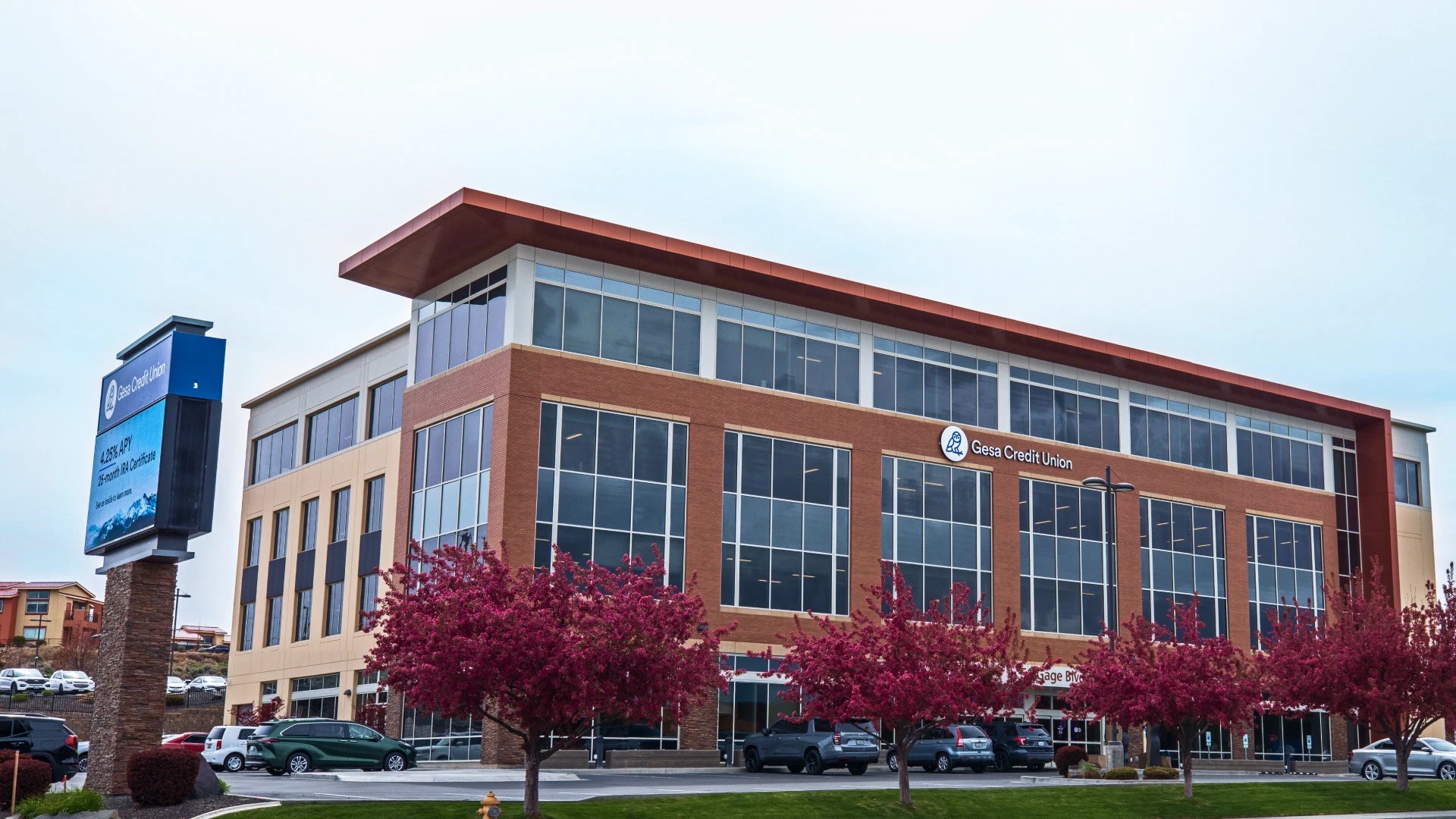
- HQ
- Gesa HQ
- Role
- AVP, Brand Experience
- Team
- Rebuilt from 3 to 9, with 6 direct reports, including a team lead
- Environment
- Regulated financial institution, $6.25B in assets
Problem
When I arrived, the in-house marketing team faced four operational gaps.
- Asset access. Files lived on individual machines and were hard for others to reach.
- Quality control. Consistency was hard to hold across a distributed team.
- Intake. Demand was high, and requests were handled as one-offs.
- Vendor direction. Outside partners worked without consistent design direction.
System
Instead of buying an off-the-shelf platform, the team built a system tailored to how it worked.
- Moved production from Adobe to Figma for design and asset export.
- Made Figma the project-management layer, with boards for projects, campaigns, card designs, annual reports, and brand guidelines.
- Used FigJam as the bridge between project managers and creative, and for standups and structured ideation.
- Defined roles and responsibilities, trained the team, and onboarded new hires directly into the system.
- Commissioned and approved a design system from an external UX firm, then made it the standard for the team and its vendors.
Result
- The team moved from individual contributors to a collaborative team.
- One-off requests gave way to a shared, structured workflow.
- The team absorbed growing volume without bottlenecks.
- Creative turnaround dropped by an estimated 35%.
- Project managers worked inside the same platform as creative.
The 35% figure is a conservative estimate. The team had no formal baseline, so it rests on the volume the team absorbed after the move to Figma.
Durability
After I left, the system kept running and is still being refined. The team, Figma as its production and project-management tool, the collaborative culture, and the brand and website all continued.
That is the point of the work. A system that depends on the person who built it isn't finished.
Next case study
Redesigning ad operations routing
Let's talk.
If this looks like the problem your team is facing, let's talk about the system behind it.